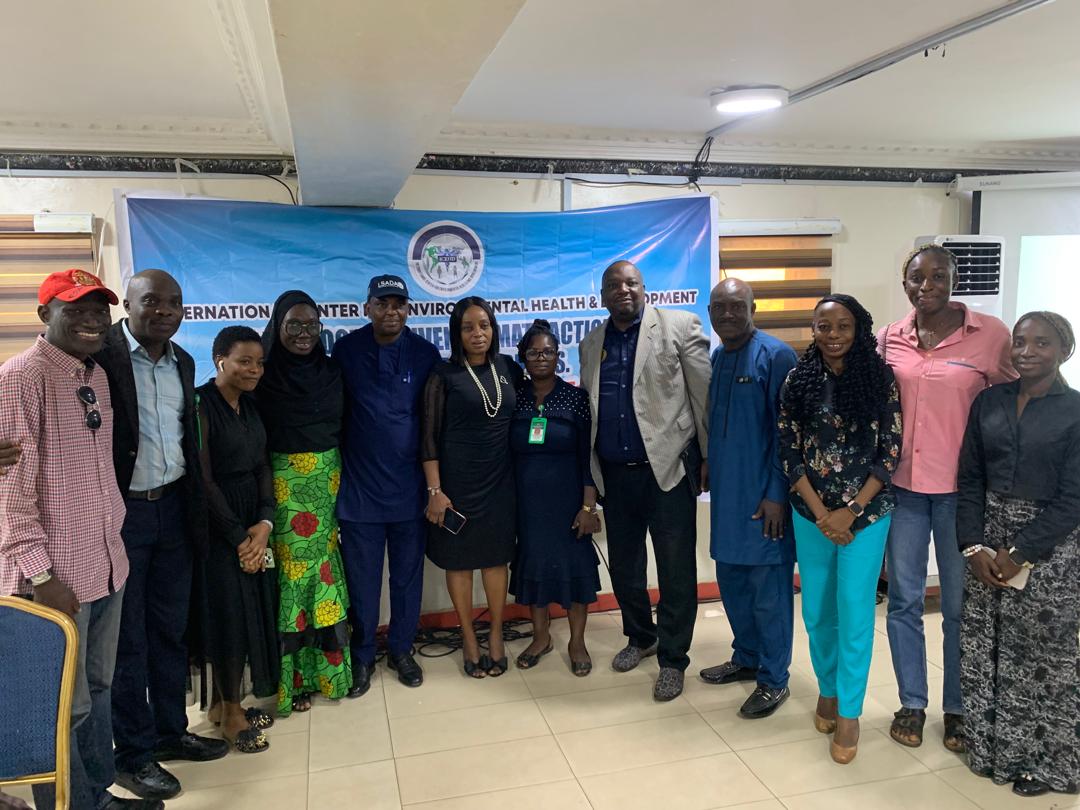
In a bid to develop strategies for strengthening grassroots-driven climate action for rural women farmers in Nigeria, civil society and non-governmental organisation, the International Centre for Environmental Health and Development (ICEHD) has convened with stakeholders emphasising the urgent need for gender-responsive climate policies and improved collaboration.
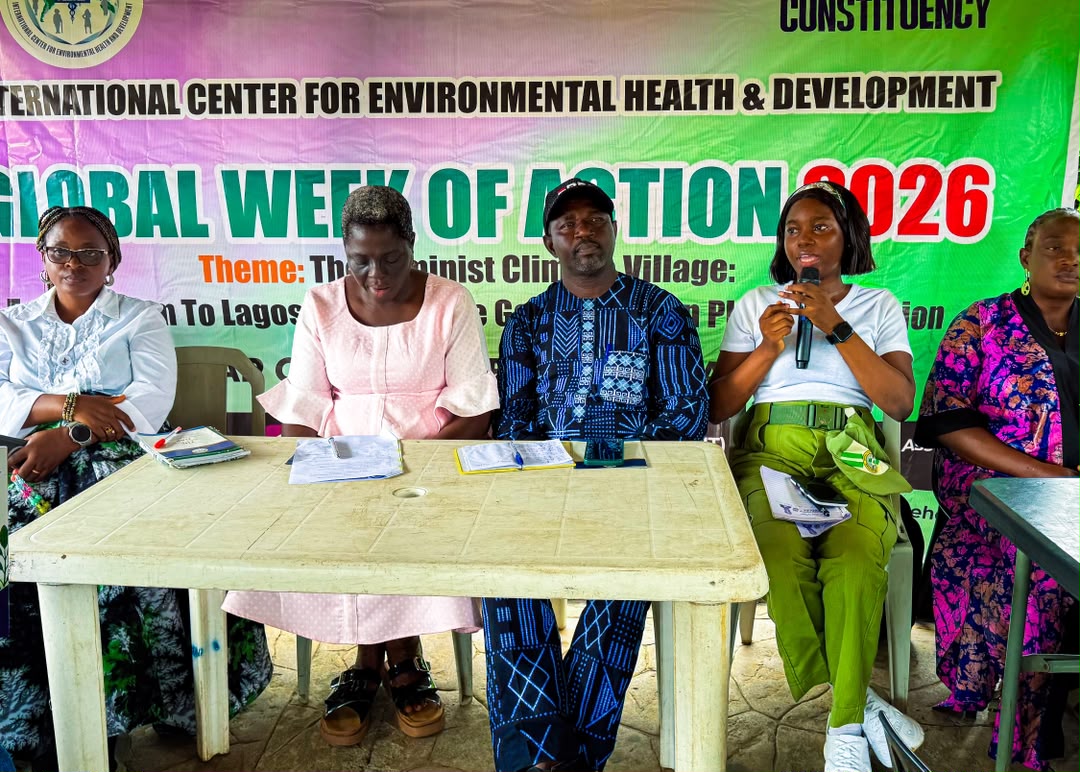
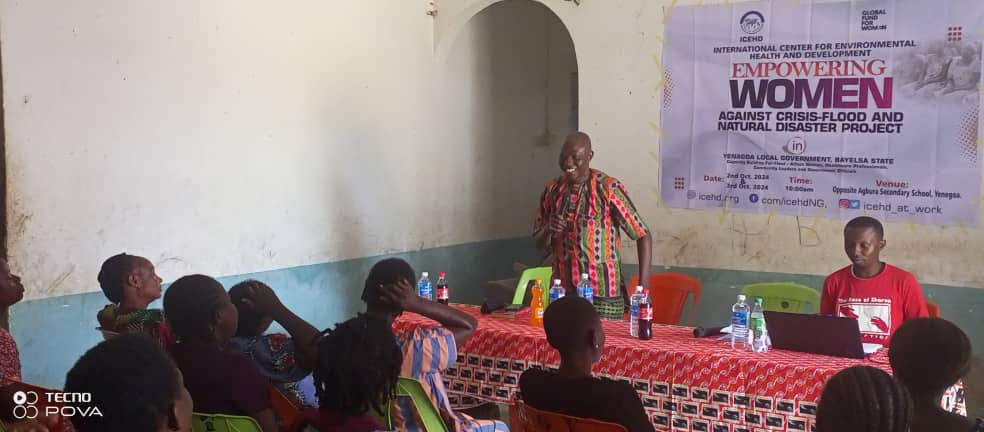
The National Consultative Advocacy Forum on Gender & Climate Change, hosted under the theme “Grassroots-Driven Climate Action by Rural Women Farmers in Nigeria,” brought CSOs/NGOs together with diverse state- and federal-level stakeholders, as well as farmers from across the country, to foster dialogue on gender, climate, and agriculture and to advance justice-oriented action at the nexus of these issues.
Speaking at the forum, Shallom Wusu of ICEHD highlighted the disproportionate impact of climate change on women and girls, emphasising how existing gender inequalities amplify their vulnerability across multiple sectors including health, poverty, livelihoods, food security, and resource access.
“Climate change affects everyone, but women and girls experience this impact more due to existing gender inequalities. Women are over-represented in climate-sensitive areas, particularly in farming. When lands are eroding or flooding occurs, women cannot farm, leading to poverty and malnutrition,” Wusu explained.
She noted that climate-related challenges force difficult coping strategies, including children dropping out of school, families selling assets, and increased displacement and migration that leaves women bearing the burden of managing households with limited resources.
The forum identified critical gaps in existing climate policies, particularly the disconnect between gender-climate realities and policy responses. According to discussions, gender considerations are often not incorporated into climate policies, and when included, are rarely implemented effectively.
“We have limited gender-responsive climate policies. Even when they are incorporated, we notice that they are not usually implemented as such,” Wusu said, adding that insufficient consultation with CSOs and communities, as well as limited use of gender-disaggregated data, remain significant barriers.
Official from the Lagos State government highlighted practical challenges facing women farmers, particularly regarding access to agricultural support. Deputy Director at the Lagos State Agricultural Development Authority (LADP), Samuel Owagbemi, explained the distinction between informal farmer groups and registered cooperatives, noting that registration is crucial for accessing government resources and benefits.
“If you are not registered with the government, you don’t have any identity, we don’t know you. We first consider those that are registered before we go to those that didn’t register,” Owagbemi stated.
He acknowledged challenges in monitoring the distribution and use of agricultural inputs provided to farmers, revealing that some beneficiaries sell or misuse the resources, hampering programme effectiveness. The Lagos State government is now incorporating National Identification Numbers (NIN) to improve tracking and accountability.
A participant at the forum praised President Bola Ahmed Tinubu’s agricultural support initiatives across Nigeria’s 36 states, while acknowledging ongoing challenges including resource diversion and the need for stronger monitoring mechanisms.
The forum’s moderator, Oloruntosin Taiwo, an Advocacy Monitoring and Evaluation expert, stressed the importance of data integrity in CSO work and gender-focused programming. She revealed how cultural barriers often prevent women from being primary users of farming equipment allocated to them, with husbands typically using the resources first.
“We discovered that for all the farming equipment you give to every woman, she must be a secondary user due to culture. If we don’t get to break it down, we will not be able to provide specific solutions, need-driven solutions to our people,” Taiwo explained
She emphasised that women account for over 70 percent of Nigeria’s agricultural labour force but control less than 20 percent of farmland and receive under 30 percent of agricultural credit, reinforcing structural inequalities that climate change further exacerbates.
The forum outlined key roles for CSOs in advancing gender and climate action, including creating awareness about climate-gender intersections, amplifying grassroots voices to national policy levels, generating evidence through research, and monitoring policy implementation and accountability.
Participants emphasised the value of collective action among CSOs, noting that unified efforts increase credibility with government institutions, reduce duplication of resources, and create greater influence on national climate and gender policies.
The forum proposed establishing a national CSO working group on gender and climate justice to ensure structured coordination and collective representation. This would enable organisations to speak with one voice when engaging the government on climate adaptation strategies.
Key focus areas identified include integrating gender considerations into climate policies, enhancing women’s leadership in climate governance, ensuring gender-responsive climate finance reaches women-led initiatives, and creating climate-resilient livelihoods that empower women to sustain themselves despite climate impacts.
The forum concluded with calls for CSOs to strengthen collaboration, promote gender-responsive climate policies, engage government constructively, and amplify voices from all geopolitical zones to ensure that climate action addresses the specific needs of rural women farmers across Nigeria.