Lagos, Nigeria – June 15, 2026
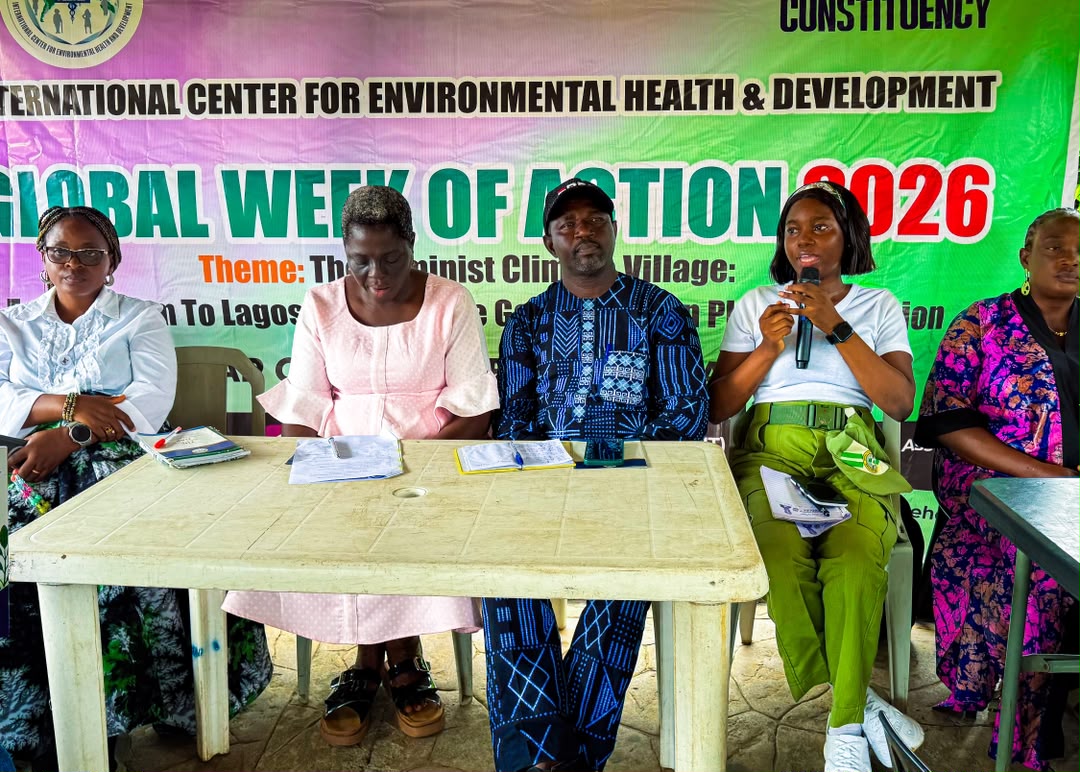
Government representatives, civil society organizations, environmental experts, women farmer leaders, and development practitioners gathered in Lagos for a National Policy Engagement Forum on Gender, Climate Action, and Agriculture, organized by the International Centre for Environmental Health and Development (ICEHD) under its Grassroots-Driven Climate Action by Rural Women Farmers in Nigeria Project.
The forum, held at GrandBee Suites Hotel, Ikeja GRA, brought together 43 stakeholders from key government ministries and agencies, including the Lagos State Ministry of Environment and Water Resources, Ministry of Agriculture, Ministry of Women Affairs and Poverty Alleviation, Lagos State Environmental Protection Agency (LASEPA), Lagos State Agricultural Development Authority (LSADA), civil society organizations, media representatives, and women farmer groups.
The event provided a platform for reviewing existing policies on climate action, agriculture, gender equality, and women's economic empowerment, while identifying practical solutions to strengthen climate resilience and improve the livelihoods of rural women farmers.
In her presentation on policy review and analysis, Dr. Angela Daniel highlighted key implementation challenges affecting climate and gender policies, including inadequate climate financing, weak institutional coordination, limited access to productive resources, insufficient gender-disaggregated data, and barriers to women's participation in decision-making processes.
Participants engaged in thematic group discussions focused on the Lagos State Climate Policy and the Lagos State Women Empowerment Policy. The discussions generated several recommendations, including increased representation of women in leadership and governance, improved access to climate finance, stronger monitoring and accountability systems, greater support for women-led enterprises, and enhanced community participation in climate action initiatives.
A major outcome of the forum was the call for more inclusive and gender-responsive climate policies that reflect the realities and experiences of rural women farmers, who remain at the forefront of food production and climate adaptation efforts across Nigeria.
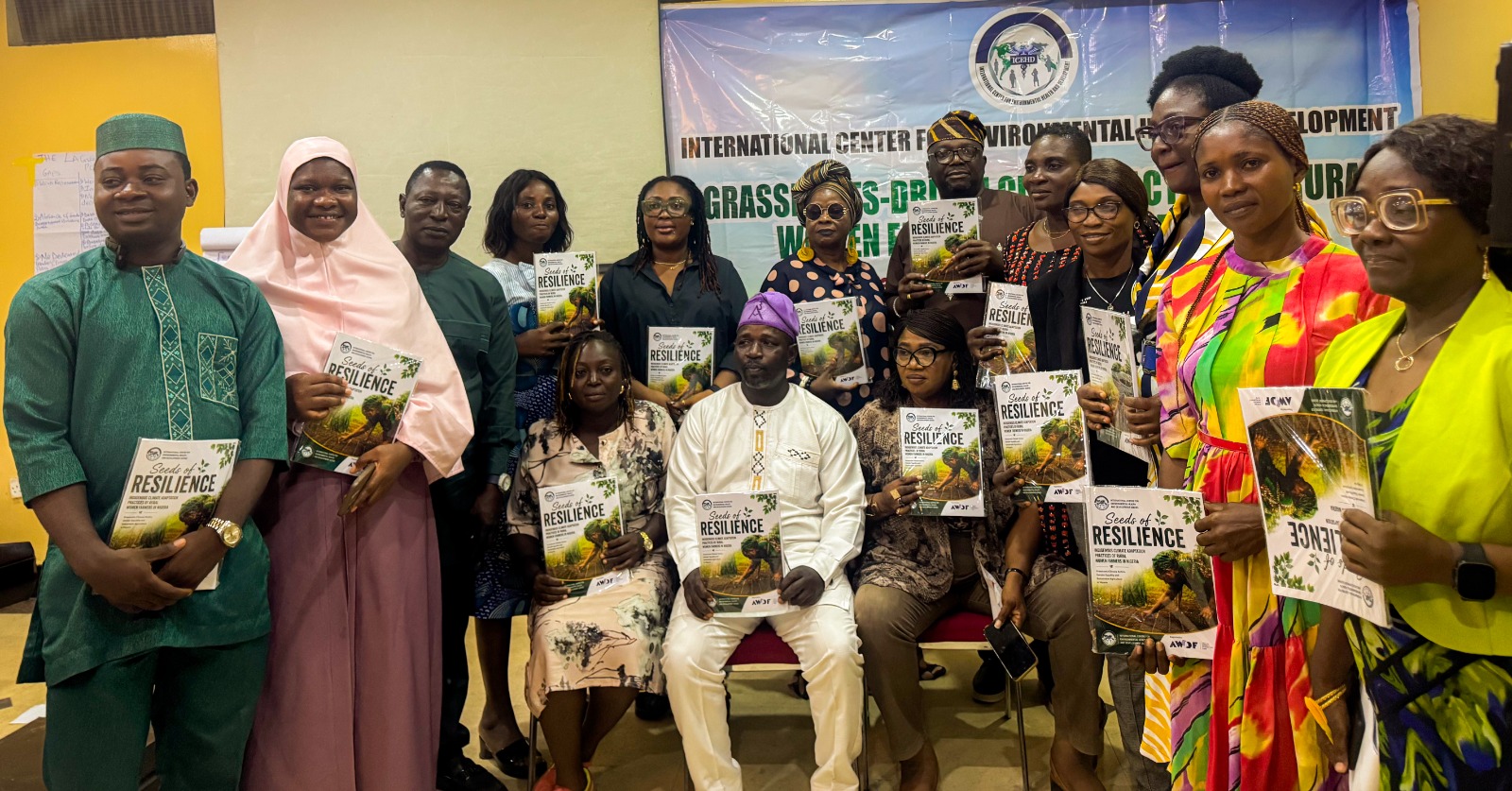
The forum also featured the launch of ICEHD's publication, "Seeds of Resilience: Indigenous Climate Adaptation Approaches and Comparative Analysis of Women and Men in Agriculture," presented by project coordinator and author, Victor Adewoye. The publication documents indigenous adaptation practices, gender-related challenges, and opportunities for strengthening climate resilience among farming communities.
Speaking at the event, stakeholders emphasized the importance of translating policy commitments into concrete actions that improve women's access to land, finance, agricultural inputs, climate information, and leadership opportunities.
Key recommendations from the forum included strengthening collaboration between government and civil society organizations, promoting women's land rights, expanding climate-smart agriculture training, improving policy accessibility at the grassroots level, and increasing investments in women-led climate and agricultural enterprises.
The National Policy Engagement Forum concluded with a shared commitment among participants to advance inclusive climate governance, strengthen policy implementation, and ensure that the voices of rural women farmers are reflected in climate and agricultural decision-making processes.
Through initiatives such as this, ICEHD continues to bridge the gap between grassroots experiences and policy development, ensuring that rural women are recognized not only as beneficiaries of climate action but as key drivers of sustainable development and community resilience in Nigeria.